
Did you know that nearly 70% of precious accessories lose their shine in just two years? This is because of bad storage and cleaning. Your favorite pieces are investments that need care to keep their value and sparkle.
Learning effective maintenance techniques lets you keep your gold, silver, and diamond items shining at home. With these simple, professional methods, you can stop common problems like tarnish or buildup.
This guide shows you how to keep your collection looking as good as new. Follow these expert tips to keep your treasures in pristine condition for years.
Key Takeaways
- Understand the impact of daily wear on precious metals and stones.
- Learn professional cleaning methods that are safe for home use.
- Discover the best storage practices to prevent oxidation and scratches.
- Identify common mistakes that lead to permanent damage.
- Keep your collection looking brand new with routine maintenance.
Understanding the Basics of How to Care for Jewellery
Learning how to care for jewellery is key to keeping your treasures safe. A regular care routine helps avoid damage from daily activities. Knowing what each piece needs keeps them looking new.
Why Regular Maintenance Matters for Precious Metals
Caring for precious metals is crucial because they collect oils, dust, and pollutants. These substances dull the shine of gold and silver. Regular cleaning keeps your items bright without harsh chemicals.
Regular care also lets you check your jewellery’s condition. Cleaning often helps you notice small problems early. This way, you can fix them before they get worse.
Identifying Your Jewellery Materials and Gemstones
Not all jewellery is the same, and wrong cleaning can harm it. You need to know if your piece has soft gemstones or strong metals. Each type needs special jewellery care tips for safety and lasting beauty.
| Material Type | Cleaning Sensitivity | Recommended Frequency |
|---|---|---|
| Gold | Low | Monthly |
| Silver | Moderate | Bi-weekly |
| Pearls | High | After every wear |
| Diamonds | Low | Monthly |
The Importance of Professional Inspections
Even with good home care, professional checks are essential. A jeweler can spot problems like loose prongs or tiny cracks. They give your gemstones the special care they need.
It’s wise to get a professional check-up every year. This helps avoid expensive fixes and gives you peace of mind. Getting expert help is the best way to protect your jewellery’s value.
Essential Tools and Supplies for Home Cleaning
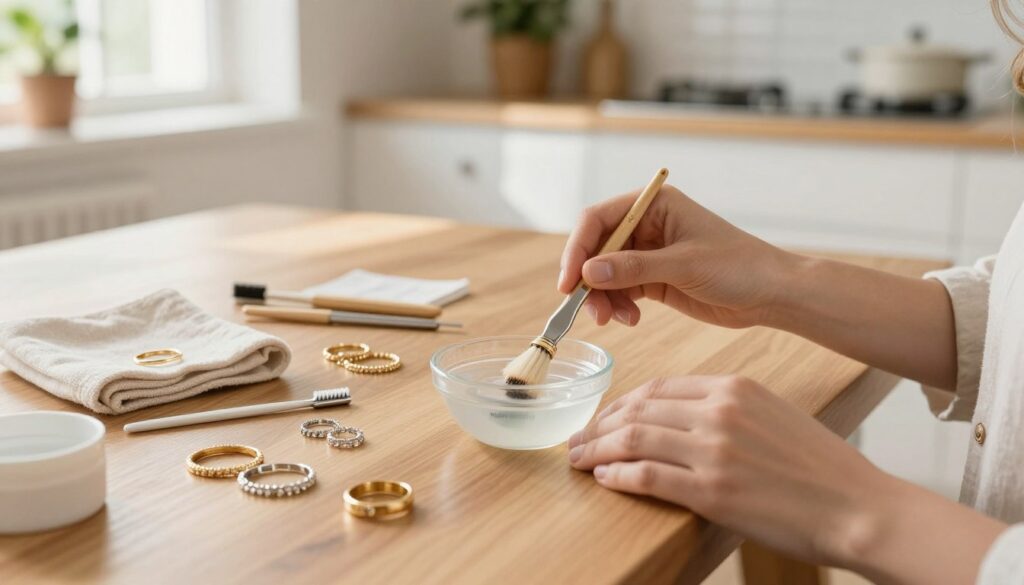
Before you start cleaning jewelry at home, get the right tools. The wrong materials can scratch or dull your jewelry. A good workspace keeps your cleaning safe and effective.
Selecting the Right Cleaning Solutions
Household items are often the best cleaners. Use mild, non-abrasive dish soap and warm water for most jewelry. Stay away from harsh chemicals like bleach or ammonia. They can harm your jewelry.
“The quality of your tools determines the longevity of your jewelry’s luster.”
Choosing Soft Brushes and Microfiber Cloths
Choosing the right brush is key. Use a soft-bristled toothbrush to clean without scratching. Then, dry your jewelry with a clean microfiber cloth.
Microfiber cloths are better than paper towels. They don’t leave fibers or scratch your jewelry. The right tools help keep your jewelry looking good.
Safety Precautions for Delicate Pieces
Not all jewelry can handle cleaning the same way. Be careful with cleaning delicate jewelry. Check for loose stones or damaged clasps before cleaning.
- Check for loose stones by gently tapping them with a soft tool.
- Avoid soaking jewelry that features porous gemstones like pearls or opals.
- Ensure your sink drain is plugged to prevent accidental loss of small components.
By being careful, you avoid costly mistakes. Taking good care of your jewelry keeps it beautiful for years.
Step-by-Step Guide to Cleaning Gold Jewellery
Learning how to clean gold jewellery at home is easy and effective. Gold is soft, so it needs gentle care to avoid scratches. By using these steps, your gold will stay shiny like new.
Preparing a Gentle Soap Solution
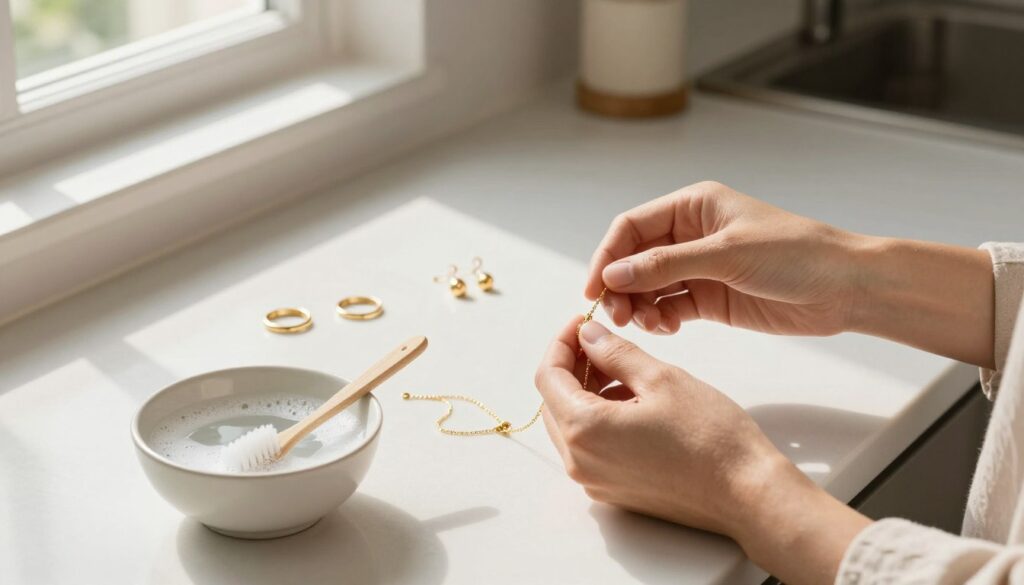
Start by mixing warm water with a few drops of mild dish detergent in a bowl. Stay away from harsh chemicals and abrasive cleaners. They can harm your gold’s finish. Consistency is key for keeping your gold looking great.
Soaking and Scrubbing Techniques for Gold
Soak your gold items in the soapy water for ten to fifteen minutes. This helps loosen dirt and oils in small spaces. Then, use a soft-bristled toothbrush to gently scrub. Make sure to clean all parts without too much pressure.
Drying and Polishing Gold to Restore Luster
After scrubbing, rinse each piece under lukewarm water to get rid of soap. Dry them with a clean, lint-free cloth to avoid water spots. Finally, buff the gold to bring back its shine.
| Gold Type | Cleaning Frequency | Recommended Care |
|---|---|---|
| 22K Gold | Monthly | Very gentle hand wash |
| 18K Gold | Bi-monthly | Mild soap and soft brush |
| 14K Gold | Quarterly | Standard cleaning solution |
Knowing how to clean gold jewellery right can make it last longer. Always check for loose stones or damaged clasps while cleaning. If you find any problems, it’s best to see a professional jeweler.
Effective Methods for Silver Jewellery Care
First, learn about silver’s chemical nature for good silver jewellery care. Silver is a beautiful metal but reacts a lot with the environment.
Understanding Why Silver Tarnishes
The dark layer on your accessories is tarnish. It happens when silver meets sulfur in the air, moisture, and skin oils.
This reaction creates silver sulfide on your items. It makes them look dull and discolored over time.
Natural Cleaning Solutions for Silver
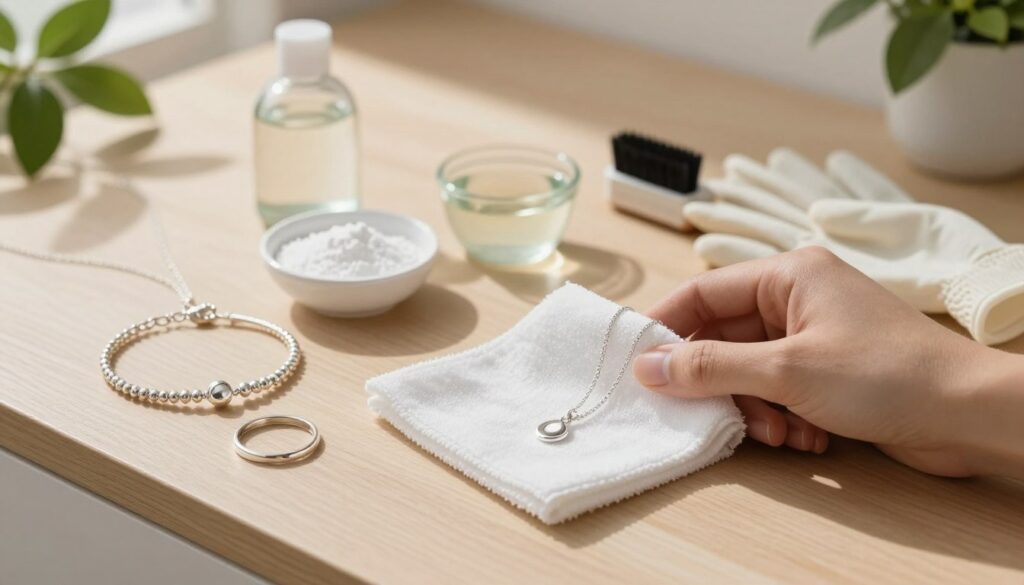
You can make your items shine again with simple household items. A gentle method uses a chemical reaction to remove tarnish.
Here’s how to clean your silver at home:
- Line a small bowl with aluminum foil, shiny side up.
- Place your silver pieces on the foil, ensuring they touch the metal.
- Pour hot water mixed with a tablespoon of baking soda over the items.
- Let the pieces soak for a few minutes before rinsing and drying them thoroughly.
Using Commercial Silver Polishing Cloths
For light oxidation, use a special polishing cloth. These cloths have mild chemicals to remove tarnish without scratching your precious metal.
Always use a clean part of the cloth to avoid spreading tarnish back. This is key for professional silver jewellery care.
Preventing Future Tarnish Through Proper Handling
The best way to prevent jewellery tarnish is to avoid harsh elements. Always take off your silver before swimming in chlorinated pools or using lotions and perfumes.
Store your items in an airtight bag or a lined jewellery box when not wearing them. Preventing jewelry tarnish is easier when you keep them away from humidity and sunlight.
By following these habits, your collection will stay brilliant for years. These small steps help you prevent jewellery tarnish and keep your silver jewellery care routine easy and stress-free.
How to Clean Diamond Jewellery Safely
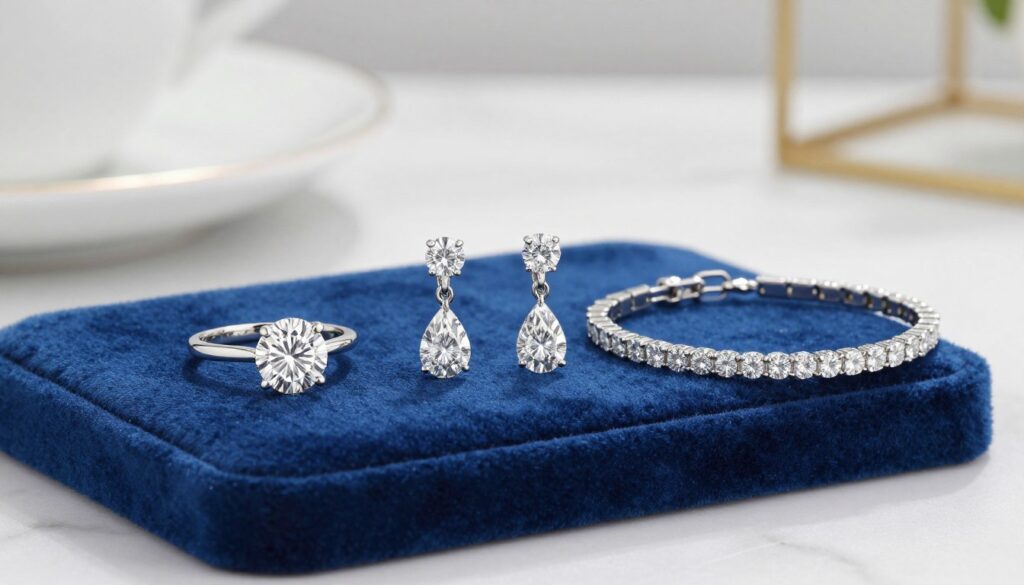
Diamonds are the hardest natural material. But, the settings that hold them are often delicate. You must clean your diamond jewellery carefully to keep the prongs and metal bands secure. This way, you preserve the metal and keep your stones shining.
The Science of Diamond Cleaning
Diamonds love oils, so they attract skin oils and lotions quickly. This buildup blocks light, reducing their brilliance and fire.
To clean diamond jewellery, you need to break down these oily layers. A mild solution dissolves the film without harming the setting. This lets light refract through the diamond’s facets again.
Removing Oils and Residue from Diamond Settings
Debris often hides behind the stone, in the basket or prongs. Soak the piece in warm, soapy water for ten minutes. Then, use a soft-bristled brush to clean the crevices.
Rinse the jewellery under lukewarm running water to remove soap. Dry it with a lint-free microfiber cloth to prevent water spots. This keeps your jewellery sparkling.
Avoiding Common Mistakes That Damage Diamonds
Using harsh chemicals like bleach or chlorine can weaken the metal prongs. Also, avoid stiff toothbrushes, which can scratch gold or platinum bands.
Don’t use ultrasonic cleaners on jewellery with pavé settings or delicate prongs. The vibrations can loosen stones. Check the table below for safe cleaning practices.
| Cleaning Method | Status | Reasoning |
|---|---|---|
| Mild Dish Soap | Safe | Gentle on metal and stone |
| Bleach/Chlorine | Avoid | Corrodes metal settings |
| Soft Bristle Brush | Safe | Removes debris without scratching |
| Ultrasonic Cleaner | Caution | May loosen delicate prongs |
Best Practices for Jewellery Storage
Your jewelry collection needs a safe place to stay. This prevents damage and keeps it shiny. Start caring for your jewelry as soon as you take it off.
Organizing Your Jewellery Box
A tidy jewelry box is key to keeping your items safe. Look for boxes with individual compartments. These should be lined with soft materials like velvet or felt.
Don’t just throw all your jewelry into one spot. Use separate areas for rings, earrings, and necklaces. This keeps them safe and makes them easier to find.
Preventing Scratches and Tangling
Necklaces and bracelets can get tangled if not stored right. Store them flat or use hooks in your jewelry box. When traveling, use soft pouches to prevent tangling.
“The way you store your treasures today determines their beauty for tomorrow.”
Give each piece its own space to avoid scratches. This is a crucial jewelry storage best practice.
Using Anti-Tarnish Strips and Silica Gel
Humidity and air can harm your silver jewelry. Use anti-tarnish strips in your storage to fight off bad gases. These strips protect your collection.
Also, add silica gel packets to your jewelry box. They soak up moisture from the air. This is great in humid places to keep your jewelry looking new.
Caring for Gemstones Beyond Diamonds
Knowing what your jewelry is made of is key to keeping it looking great. Diamonds are very hard, but other stones are different. Knowing this helps keep your jewelry looking new.
Distinguishing Between Hard and Porous Gemstones
Gemstones are sorted by how hard they are and what they’re made of. Hard stones like sapphires and rubies can handle regular cleaning. But soft stones like opals and pearls soak up things easily.
Soft stones need special care to avoid getting stained or dull. Always check what your stone needs before cleaning it. The wrong cleaner can ruin a soft gemstone.
Cleaning Pearls and Opals with Care
Pearls and opals are very delicate. They don’t like acids, perfumes, or even your skin’s oils. Never use harsh cleaners or rough brushes on them.
To keep them shiny, do this:
- Wipe them gently with a soft, damp microfiber cloth after wearing.
- Use mild, pH-neutral soap for deeper cleaning if needed.
- Make sure they’re dry before putting them in a soft pouch.
When to Avoid Ultrasonic Cleaners
Ultrasonic cleaners use sound waves to clean, but they’re not for all jewelry. They can break stones with inclusions. The heat can also harm treated or soft gems.
Don’t use ultrasonic cleaners for:
- Pearls and Opals: They can crack these soft gems.
- Emeralds: The cleaner might remove the oil treatment.
- Tanzanite: It can shatter easily from heat.
“The beauty of a gemstone is a reflection of the care you provide. Treat your delicate pieces with patience, and they will reward you with a lifetime of brilliance.”
Daily Habits to Preserve Jewellery Luster
Making small changes to your daily life can help your jewelry last longer. By following jewellery care tips, you won’t need to clean it as often. Regular care is key to keeping your jewelry looking great for years.
Removing Jewellery Before Physical Activities
Sweat from working out can dull your jewelry. Also, sports or lifting can damage it. Always take off your jewelry before exercising.
Doing chores at home can also harm your jewelry. Cleaning or moving heavy things can scratch it. Removing your jewelry before these tasks keeps it safe.
Applying Cosmetics and Perfumes Before Dressing
Many people put on jewelry last. But, lotions and perfumes can leave a film on it. This film attracts dirt and makes it hard to clean.
Apply your beauty products first and let them dry. Then, you can put on your jewelry. This simple change helps keep your jewelry shining.
Managing Exposure to Chemicals and Chlorine
Chlorine can damage gold and silver. Avoid wearing jewelry in pools or hot tubs. Household cleaners like bleach can also harm it.
Keep your jewelry in a safe, dry place before cleaning. By preserving jewelry luster this way, you protect its value. Use the table below to track your daily habits for better care.
| Activity | Risk Factor | Recommended Action |
|---|---|---|
| Gym/Exercise | Impact and Sweat | Remove before starting |
| Applying Perfume | Chemical Residue | Apply before wearing |
| Swimming | Chlorine Exposure | Take off beforehand |
| House Cleaning | Harsh Chemicals | Store in a safe box |
Troubleshooting Common Jewellery Issues
Keeping your jewelry collection in top shape is more than just cleaning. It’s about spotting and fixing common problems early. Even your favorite pieces can wear out and need quick fixes. By being careful, you can keep your jewelry looking great for a long time.
Fixing Loose Clasps and Prongs at Home
A loose clasp or snagging prong means your jewelry needs fixing. Check if your clasp clicks shut securely. If it’s loose, try tightening it with small pliers carefully.
Prongs keep your gemstones in place. If a prong catches on clothes or looks off, your stone might fall out. Gently push it back with a soft tool, but don’t force it too hard.
Identifying When to Seek Professional Repair
Some fixes are easy, but others need a pro. If a stone seems loose or a chain link looks weak, don’t try to fix it yourself. These problems need special care to avoid losing your jewelry.
Also, if you don’t have the right tools, get a professional. They can check your jewelry under a magnifier and fix it right. This way, your jewelry stays safe and looks great.
Handling Oxidized or Heavily Corroded Pieces
Moisture and air can cause silver or base metals to corrode. If your jewelry looks dull or corroded, it might need more than a simple clean. Start by wiping it with a soft cloth to remove dirt without scratching.
For really tarnished items, stay away from harsh chemicals. They can harm your jewelry or gemstones. Instead, use a special polishing cream for your metal type. If the problem is bad or your piece is an antique, get a professional to avoid damage.
Advanced Jewellery Maintenance Guide
Learn advanced techniques for your special jewelry pieces. Basic cleaning is good for daily items. But, this jewelry maintenance guide is for special finishes that need extra care.
Understanding Rhodium Plating for White Gold
White gold has a thin rhodium layer for a shiny look. Over time, this layer fades, showing the gold’s natural color.
Watch for yellowing or dullness in your jewelry. If it loses its shine, take it to a jeweler. They can restore the brilliant, icy appearance of your white gold.
Maintaining Gold Vermeil and Plated Items
Gold vermeil and plated jewelry are coated with a thin gold layer. They are more delicate than solid gold and need gentle care.
Don’t use harsh chemicals or rough brushes on them. Instead, clean them with a soft, dry cloth after each use. This helps keep the gold layer from wearing off too soon.
The Role of Professional Buffing and Polishing
Even with good care, jewelry can get scratches or lose its shine. Professional buffing and polishing can fix these issues.
Jewelers use special tools to make your jewelry look new again. This service is key to keeping your most precious items looking great for a long time.
| Finish Type | Primary Care Method | Professional Frequency |
|---|---|---|
| Rhodium Plated | Soft cloth wipe | Every 12-18 months |
| Gold Vermeil | Gentle dry buffing | As needed for re-plating |
| Solid Gold | Soap and water | Every 2-3 years |
Conclusion
Your jewelry is more than just something you wear. It holds personal and family stories. Taking care of your gold, silver, and diamonds keeps them shining for others to see.
Regular care keeps your jewelry looking great. Cleaning them gently stops oils and dirt from dulling the stones. Now, you know how to care for them like a pro.
Storing them right and wearing them carefully helps them last longer. Brands like Tanishq or Kalyan Jewellers make pieces that deserve this care. Show your collection the respect it deserves to keep it looking new.
Use these tips to make your jewelry last a long time. Share your cleaning secrets with loved ones who also value their jewelry. Your dedication ensures your treasures will shine for years.