
Did you know over 80% of shoppers in India feel lost when picking precious stones for engagement rings? This confusion comes from not knowing the universal standards for quality. Learning the 4cs of diamonds is key to protecting your money and getting real value.
Looking for a classic piece or something modern? This Diamond Buying Guide will clear things up. By understanding cut, color, clarity, and carat weight, you can compare with confidence. You won’t just trust what a salesperson says.
Knowing these basics makes buying diamond jewellery empowering. You should own something that shows your style and meets your budget. Let’s dive into the important details for a smart, informed buy.
Key Takeaways
- The 4Cs are the global standard for quality and price.
- Knowing these basics helps avoid common mistakes in India.
- Cut is key for sparkle and brilliance.
- Clarity and color affect the price a lot.
- An informed buyer balances beauty with value.
The Significance of the 4Cs in Diamond Valuation
Learning the 4cs of diamonds makes you more than just a buyer. These four key areas—Cut, Color, Clarity, and Carat—help judge a diamond’s real value. With a detailed diamond quality guide, you can compare gems fairly and get the best deal.
Why the 4Cs Matter for Indian Consumers
In India, jewelry is seen as beautiful and valuable. You might want a diamond that shines brightly and keeps its value. A good diamond education helps meet these cultural and financial needs.
Understanding the 4Cs helps you choose based on your needs. Whether for a wedding or investment, knowing the 4Cs ensures your choice meets your goals. This knowledge lets you make choices that feel both emotional and logical.
How Grading Standards Influence Market Price
Grading standards offer a clear way to avoid unfair prices. Without them, it’s hard to tell good stones from bad. Consistent grading keeps prices fair and competitive.
Using certified reports gives you confidence in your purchase. This transparency is key to a trustworthy diamond quality guide. It ensures the price you pay matches the intrinsic quality of your diamond.
Mastering Diamond Cut: The Most Critical Factor
Many people focus on weight, but cut is key to a diamond’s shine. A smaller, well-cut diamond can outshine a big, poorly cut one. The cut changes how light hits the stone, making it sparkle.
Understanding Light Performance and Brilliance
Light performance is how a diamond handles light. It should reflect light as brilliance and fire. A good cut keeps light from escaping.
Symmetry and polish are crucial. Misaligned facets let light escape, making the diamond dull. A well-cut diamond mirrors light, showing off its beauty.
Evaluating Cut Grades from Excellent to Poor
Gem labs grade diamond cuts on a scale. An Excellent grade means it reflects most light. A Poor grade means it loses a lot of light.
| Cut Grade | Light Return | Visual Impact |
|---|---|---|
| Excellent | Maximum | Exceptional brilliance |
| Very Good | High | Strong sparkle |
| Good | Moderate | Noticeable light loss |
| Poor | Low | Dull appearance |
Why Cut Should Never Be Compromised
Don’t trade cut quality for size. A better cut makes a diamond look bigger and brighter. It’s more important than carat weight.
Never compromise on the cut. It’s the only thing you can’t change later. A good cut ensures your diamond stays beautiful forever. It’s the heart of fine jewelry.
Decoding Diamond Color: From Colorless to Light Yellow
When you look at a diamond, its color tells a story. Most diamonds have a bit of nitrogen, which can make them look yellow. Knowing about diamond grading explained helps you see why some diamonds look white and others look warm.
The GIA Color Grading Scale Explained
The Gemological Institute of America (GIA) set the color standard. This scale goes from D, which is colorless, to Z, which looks light yellow or brown. Precision is key when experts check these stones under special lights.
“Color is often the second most important factor after cut, as it dictates the visual crispness of the diamond in various lighting environments.”
Choosing the Right Color Grade for Your Setting
You don’t need a D-grade diamond for a stunning look. The setting you pick can change how the diamond looks. A good setting can hide small colors, letting you focus on other features like clarity or size.
| Color Grade | Category | Visual Appearance |
|---|---|---|
| D – F | Colorless | Exceptional icy white |
| G – J | Near Colorless | Appears white in most settings |
| K – M | Faint Yellow | Visible warmth |
Balancing Color and Metal Choice in Indian Jewellery
In India, picking the right metal is key. If you like yellow gold, you can pick a diamond with a lower color grade, like an I or J. The gold’s warm glow hides the diamond’s natural color, making it seem whiter than in platinum.
On the other hand, with platinum or white gold, choose a higher color grade. This avoids a contrast that shows the diamond’s yellow undertones. Remember this diamond grading explained guide to save money without losing brilliance. Think about the metal color before buying to get the best look.
Navigating Diamond Clarity: Identifying Inclusions and Blemishes
When you look at a diamond, you see its story. This story is told by inclusions and blemishes. These marks decide the diamond’s clarity grade. This diamond clarity guide shows you what matters and what doesn’t.
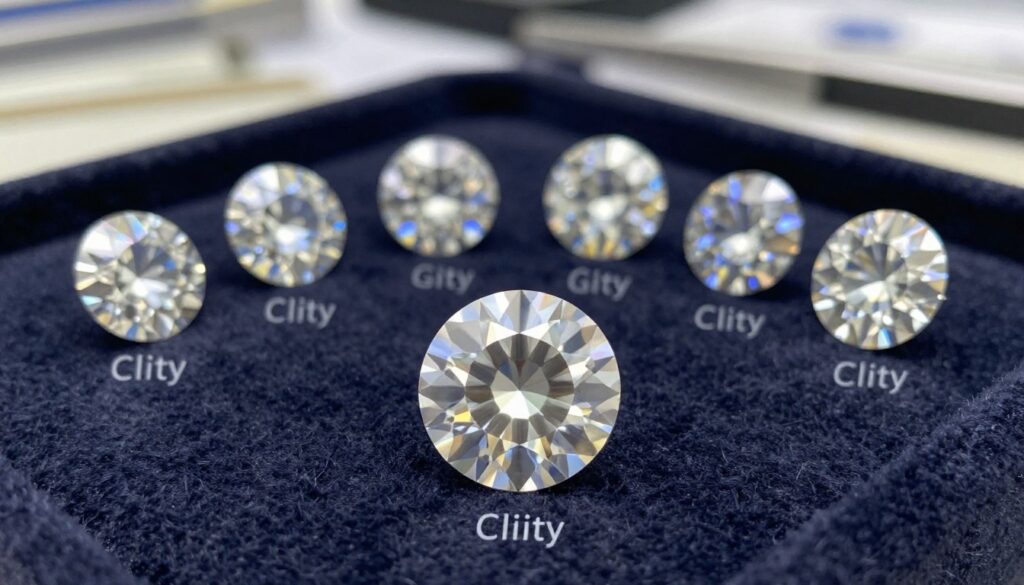
The Clarity Scale: Flawless to Included
The clarity scale goes from Flawless (FL) to Included (I3). A Flawless diamond has no marks under 10x magnification. As you go down the scale, more marks appear, affecting the diamond’s light.
Most people like VS or SI diamonds for their beauty and price. Knowing this diamond clarity guide helps you save money. You won’t pay for perfection you can’t see.
Understanding Eye-Clean Diamonds
An eye-clean diamond looks perfect without a magnifier. Even small inclusions can make a diamond look great. Choosing an eye-clean diamond is smart for your budget.
Many say cut is more important than clarity. A well-cut diamond with small inclusions sparkles more than a clearer one with a bad cut.
Practical Tips for Inspecting Clarity in Retail Stores
At a jewellery store, ask to see the diamond under a jeweler’s loupe. This tool shows inclusions clearly. Also, check the diamond in different lights to see if it’s eye-clean from all sides.
| Clarity Grade | Visibility | Value Impact |
|---|---|---|
| FL / IF | None under 10x | Highest Premium |
| VVS1 / VVS2 | Difficult to see | High Value |
| VS1 / VS2 | Minor inclusions | Excellent Balance |
| SI1 / SI2 | Visible under 10x | Best Budget Choice |
By using this diamond clarity guide, you can pick a beautiful diamond. Your goal is to find a diamond that looks stunning to you. Don’t chase grades that only a microscope can see.
Understanding Carat Weight and Its Impact on Value
When you look for diamond jewelry, remember that weight and size are different. People often mix these terms, but they mean different things. Knowing the difference between diamond cut vs carat helps you shop smart in India.
Carat vs. Size: Why Weight Isn’t Everything
Carat measures weight, with one carat being 200 milligrams. But, two diamonds with the same weight can look different in size. This is because of how they are cut.
A deep-cut diamond might hide its weight, making it seem smaller. On the other hand, a well-cut stone will look bigger and brighter. This shows why diamond cut vs carat matters.
The Price Jump at Magic Weights
Prices jump at “magic weights” like 0.50, 0.75, or 1.00 carat. These are popular weights, so prices go up.
Looking for a diamond just below these weights can save you money. For example, a 0.95-carat diamond might look the same as a 1.00-carat one. But, the price difference can be big, letting you spend more on clarity or color.
How to Maximize Visual Impact Within Your Budget
To make your diamond look its best, focus on its spread, not just its weight. A diamond with a bigger diameter will look more impressive. When comparing diamond cut vs carat, choose a good cut to make your stone shine.
Here are ways to make your budget go further:
- Choose a diamond just under the “magic” weights to save money.
- Use a setting that makes your diamond look bigger, like a halo.
- Go for an Excellent or Very Good cut grade for the best look.
The Importance of Diamond Certification and Documentation
A diamond certificate is like an ID card for your diamond. It makes sure you get what you paid for. Buying certified diamonds means you also get peace of mind. This document gives a fair review of the stone’s quality, which is key for big jewelry buys.
Recognizing Reputable Laboratories like GIA, IGI, and HRD
Not all grading reports are equal. Look for diamonds graded by big names like the Gemological Institute of America (GIA), the International Gemological Institute (IGI), or the Hoge Raad voor Diamant (HRD). These groups have strict, consistent standards to help you avoid overpaying.
“Transparency in grading is the cornerstone of trust in the diamond industry. Without a reliable report, the consumer is left guessing about the true value of their purchase.”
When you’re looking at certified diamonds buying tips, check the lab name on the report. A good lab uses experts and advanced tech to check the diamond’s quality.
| Laboratory | Global Reputation | Primary Focus |
|---|---|---|
| GIA | Highest | Strict Grading Standards |
| IGI | High | Jewellery & Finished Pieces |
| HRD | High | European Market Standards |
Verifying Your Diamond Certificate Online
After you get the certificate, check if it’s real online. Most big labs have websites where you can enter your report number. This confirms the online record matches your diamond.
If the online details don’t match your diamond, don’t buy it. Verification is a must today. It keeps sellers honest and stops fake reports.
Avoiding Common Pitfalls with Non-Certified Stones
Buying a stone without a certificate is risky. You can’t check the diamond’s quality without a report. Many people end up paying too much for lower-quality stones.
Stick to certified diamonds to avoid these problems. Remember, a certificate is your main defense against scams. Make sure your next diamond comes with a verified report for the best value.
Essential Tips for Buying Diamond Jewellery in India
Buying diamond jewellery in India is a big deal. It needs careful planning and knowing the local market. To make a good choice, follow diamond purchasing tips that protect you. This market is full of beauty and financial choices.
Understanding Hallmarking and Gold Purity
In India, gold quality is as important as the diamond. Always check for the Bureau of Indian Standards (BIS) hallmark on your jewellery. This mark shows the gold’s purity.
A BIS-hallmarked item has a unique code called the HUID. You can check this code on the BIS app to confirm your purchase. Never skip hallmarking, as it protects you from low-quality gold.
Comparing Online Retailers vs. Traditional Jewellers
Where to shop depends on what you prefer. Traditional jewellers offer a personal touch and the chance to see stones in person. They build long-term relationships with families.
On the other hand, how to buy diamonds online gives you competitive prices and a wide selection. Online, you can easily compare detailed certification data. Think about these points when deciding:
- Traditional Jewellers: Great for seeing stones and building trust.
- Online Retailers: Best for seeing prices and convenience.
- Hybrid Approach: Research online first, then visit a store.
Negotiating Prices and Understanding Buy-Back Policies
Negotiation is common in Indian jewellery shops. The diamond price is set, but you can talk about the gold setting. Be polite but firm in these talks.
“An investment in knowledge pays the best interest, especially when it comes to the clarity and value of your precious stones.”
Before buying, ask about the store’s buy-back or exchange policy. A good jeweller will give you a written policy. Always keep your original invoice and certificate safe, for any future exchanges.
Comprehensive Diamond Buying Guide for Beginners
Exploring the diamond market can be tough, but with a plan, it’s easier. This Diamond Buying Guide helps you go from beginner to confident buyer. It focuses on your needs, so you get a diamond that fits your style and is top quality.
Setting Your Priorities Based on Personal Style
Your style should guide your diamond choice. While specs are important, the stone’s look must appeal to you personally. Think about whether you like a simple solitaire or a design with side stones.
The best diamond buying advice is to pick what matters most to you. If size is key, choose a lower color grade for a bigger stone. If you want sparkle, focus on an “Excellent” cut grade.
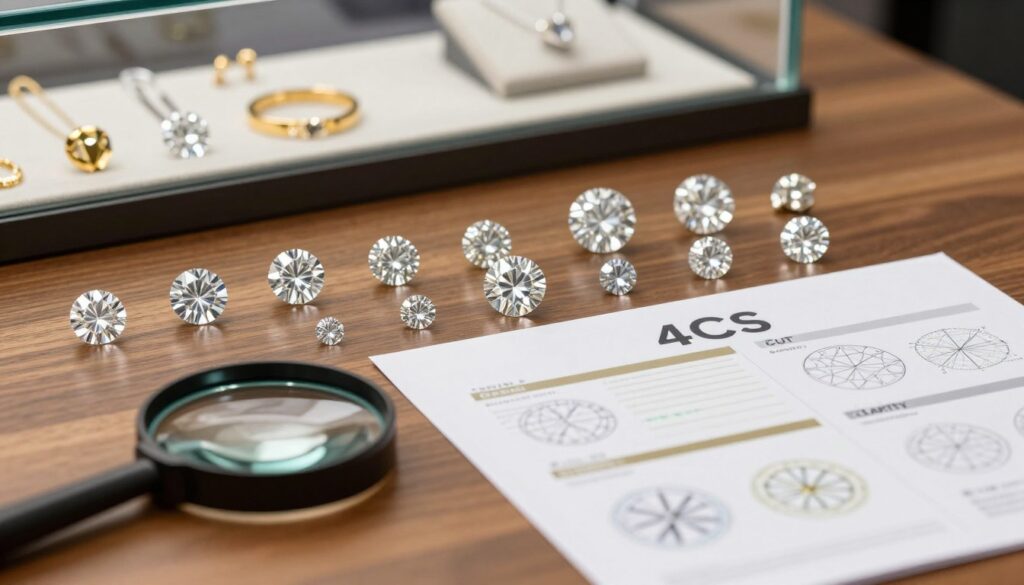
Creating a Realistic Budget for Your Purchase
Having a clear budget is key in this diamond selection guide. Remember, your budget must cover the diamond and the setting. Many forget that quality settings like platinum or gold increase the cost.
First, spend on the diamond, as it’s the main focus. You can save on the setting with simpler designs. Always have some extra for taxes and insurance to protect your investment.
Common Mistakes to Avoid During the Selection Process
When buying diamonds for beginners, avoid common mistakes. Don’t overpay for a “perfect” clarity grade that looks the same to everyone. Aim for “eye-clean” diamonds to save money without losing quality.
Also, don’t skip the importance of independent certification. Never buy a big stone without a report from a trusted lab like the GIA or IGI. Always verify the certificate number against the stone’s laser inscription to ensure you get what you paid for.
Conclusion
Finding the perfect diamond is a mix of knowing a lot and knowing what you like. You now have the skills to check the 4Cs with ease. This knowledge makes sure your diamond is both high quality and worth it for a long time.
Always look for official papers from places like GIA, IGI, or HRD. These papers show the diamond’s special features. They help keep your investment safe from market changes.
Your dream diamond should match your life and style. It could be a bright cut or a certain color. The most important thing is that it makes you happy. Trust your choices in the lively Indian jewellery market.
Don’t rush when picking your diamond. Go to trusted jewelers to see how stones look in different lights. Your careful choice will lead to a stunning piece that lasts forever.